BetterBraces.com Logo
HACKER SAFE certified sites prevent over 99.9% of hacker crime.
Home |View Cart |My Account |About Us |Customer Service |Blog
BetterBraces.com Home Page
  BetterBraces.com Submit Search

Better Sports Medicine for Better Health

Ask the Trainer

Q. I’m a 35-year-old calf roper who has recently been experiencing some pain in my lower back. I’ve noticed that the pain seems to be gradually getting worse, and I also feel a sense of stiffness after I finish roping. Any suggestions to help deal with these issues?


A. First of all, rodeo is obviously known for being one of the toughest sports out there, because of the havoc it can wreak on your joints and muscles (not to mention the high risk of injury). So it’s not surprising that you’re starting to experience some aches and stiffness in your lumbosacral region.


I recommend that you consult a physician, physical therapist, or sports medicine specialist regarding simple exercises you can do to minimize pain and tension in your back. Often, these can encourage circulation to the area to help promote healing.


Another thing that can help is to start wearing a Donjoy Lumbosacral Support Brace. This can provide compression to the area in order to aid in the recovery process. Your best bet is to find a brace that allows you both comfort and breathability, while also applying firm pressure to the area being healed.


In addition to these methods, you may want to consider treating the area with some type of healing gel to relax your back muscles and reduce the chance of experiencing painful spasms. Applying a gel will also increase circulation to the area, as well as deliver painkilling medicines to your muscles to minimize inflammation and swelling.

Last Blog Entry: No Entries To Display. Click here to post your comments.
Submit to Digg | Submit to Del.icio.us | Submit to StumbleUpon | Subscribe Me
DonJoy | Equestrian & Rodeo |
Hazardous Affects of Beijing’s Polluted Air on Olympic Athletes

The 2008 Olympics have officially begun, which means that many will finally get their questions answered regarding the effects of polluted air on Olympic athletic performance. Mark Hertsgaard’s classic 1999 novel Earth Odyssey first opened Westerners’ eyes to China’s dire environmental issues. Now that the decision has been made to host the 2008 Olympics in Beijing, it remains to be seen how Olympic athletes will be affected.


Earth Odyssey detailed the serious implications of China’s pollution problem, which occurs as a result of the country’s huge amount of coal consumption. Hertsgaard reported that the air in urban China is literally cloudy and black, and has caused many citizens to developed lung and asthma problems as a result of the poor air quality.


Medical News Today recently released a report on the affects of air pollution on Olympic athletes, which says that exercising in such an environment may cause the athletes to develop acute cases of asthma. "With exposure to an environment that has poor quality, air pollutants may trigger symptoms of asthma in a dose-dependent manner," say Donald McKenzie and Louis-Philippe Boulet. Beijing has made efforts to reduce pollution after Beijing was announced as the 2008 location, but “a significant percentage of the pollution (about 35%) at the Olympic Stadium can be attributed to sources outside Beijing. Controlling only local sources of pollution may not be sufficient to achieve the air quality goal set for the Beijing games.”

Last Blog Entry: No Entries To Display. Click here to post your comments.
Submit to Digg | Submit to Del.icio.us | Submit to StumbleUpon | Subscribe Me
Professional Athletes |
Maternity Back Braces: Stay Active During Pregnancy

It has become common knowledge in recent years that exercise during pregnancy is safe, and even beneficial for a mother and her baby, and also that maternity back braces are a great way to deal with back problems during this time. However, many women still refrain from rigorous activity while pregnant for fear of hurting their baby, and the truth is that women are indeed more vulnerable to injury during this time. This is why it is a good idea to take extra precaution to prevent injury while pregnant.


First of all, only continue to exercise if your doctor has specifically given you the okay to do so. Women who suffer from hypertension, an incompetent cervix, poor fetal growth, premature labor, and other serious health conditions should refrain from physical activity while pregnant.


Second, be sure to take plenty of time to warm up and cool down before and after your workout. These transitioning techniques will help your body to adjust to exercise better, thus making it less susceptible to injury.


Third, if you do become injured while exercising, visit your doctor immediately to determine if you have harmed your baby in any way. Even small injuries can create problems if left untreated throughout the course of your pregnancy. If you find that your back feels sore or weak while exercising, consider wearing a DonJoy Maternity Belt, which is designed to relieve discomfort for the lower abdomen and back during all stages of pregnancy. This will support the weight of your stomach and put less stress on your torso, allowing you to move and exercise more freely.

Last Blog Entry: No Entries To Display. Click here to post your comments.
Submit to Digg | Submit to Del.icio.us | Submit to StumbleUpon | Subscribe Me
Back |
Here’s a Quick Way to Treat Basketball Knee Injuries

Basketball knee injuries are becoming more and more common. Torn ACLs, LCL instabilities, and general wear and tear on the knees have sidelined some of the best NBA players within the past year, including LeBron James and David Beckham. This leaves amateur players wondering what they can do treat their own injuries quickly and effectively, especially because knee problems are often very serious, and can end up being career-ending.


Donjoy knee braces are currently being used by many amateur and professional basketball players to recover from all types of knee injuries. The Donjoy Armor Protective Knee Brace can help treat basketball injuries by stabilizing the knee and protecting the shins and knees from further blows or stress. It will also help prevent the knee cap from popping out of place during a bad fall.


Things to look for when buying a quality knee brace are good fit, comfort, and durability. Your brace should stay in place and never pinch or scrape your skin. It should also be fitted with a medial swooping frame to allow you adequate range of motion, while still giving you the protection and stability that you need.


Knee problems can also arise from simple overuse of the legs and feet, so players should take breaks often during play to allow the area to rest and recover. Donjoy knee braces have been proven to be an effective way to prevent injury, so wearing them for protection is recommended if the knee starts to feel swollen or sore.

Last Blog Entry: No Entries To Display. Click here to post your comments.
Submit to Digg | Submit to Del.icio.us | Submit to StumbleUpon | Subscribe Me
Knee Braces | DonJoy | Basketball |
Ride Like a Top Motocross Athlete

Motocross racers always fear the idea of suffering a career-ending knee injury or a devastating blow to the shin or thigh. Top motocross athlete Grant Langston has recently come out to endorse the DonJoy Impact Guard Knee And Shin Protector, which is designed to protect the knee and shin area from the trauma of blunt blows in the case of an accident. Langston has his own line of motocross parts and apparel, and has been racing since the age of 9.


In 2007, Langston was declared the 1st U.S. Open Champion and 1st American National 450cc Champion. He is also known as the youngest rider ever to win a National 80cc Championship. Langston himself became injured during a collision in May 2008, and suffered a concussion and broken collar bone as a result of the incident. Langston recommends the Donjoy Impact Guard Knee and Shin Protector to racers because it features a hinged cover to prevent ripping of clothes and uniforms, and also comes in five different sizes to fit riders of every type. Grant Langston has tested the guard and loves it.                            


The most common injuries in motocross racing are ACL tears, rotator cuff tears, and wrist fractures, which can take a great deal of time and rehabilitative effort to heal completely. Other gear that is recommended for motocross racers to prevent and treat injuries includes DonJoy ankle braces, wrist braces, and elbow braces. Helmets are currently mandatory apparel in the sport, due to the high risks involved in motocross racing.

Last Blog Entry: No Entries To Display. Click here to post your comments.
Submit to Digg | Submit to Del.icio.us | Submit to StumbleUpon | Subscribe Me
DonJoy | Motocross | Who's Wearing DonJoy |
'Tommy John' Surgery For Elbow Reconstruction Proven Effective

Research magazine Science Daily released a recent report stating that “Tommy John” elbow reconstruction surgery has been successful for 83% of baseball players undergoing the procedure. The 2008 American Orthopaedic Society for Sports Medicine Annual Meeting at JW Marriott Orlando Grande Lakes reported that these athletes were able to return to the same or better level of play following the surgery.


“Tommy John” surgery is a procedure that replaces the Ulnar Collateral Ligament in the elbow with a tendon from another place on the body. It is named after Hall of Fame pitcher Tommy John, who was the first player to have the surgery in 1974. Until Tommy John’s surgery, UCL injuries were considered to be career-ending.


Of the 743 Tommy John surgery patients that were polled, 94.5% were baseball players, and the remaining 5.5% were players of some other sport. A shocking 50% of the surgeries performed were on high school athletes, raising concern regarding the health and care of younger players. Full recovery time following the surgery amounts to almost one year. Minnesota Twins Pitcher Francisco Liriano is reportedly on the verge of being called up to the Majors after missing more than a season and a half due to the surgery.


E. Lyle Cain, MD, fellowship director for the American Sports Medicine Institute, Andrews Sports Medicine and Orthopaedic Center in Birmingham, Alabama, comments that “The reality is that this surgery is successful and that's good. But a disturbing trend of younger kids needing the surgery is troubling. This should be a wake-up call to parents and coaches that specialization in baseball where kids don't get adequate time off is very dangerous."

Last Blog Entry: No Entries To Display. Click here to post your comments.
Submit to Digg | Submit to Del.icio.us | Submit to StumbleUpon | Subscribe Me
Elbow | Baseball & Softball |
Get Rid of Runner's Knee Once and For All

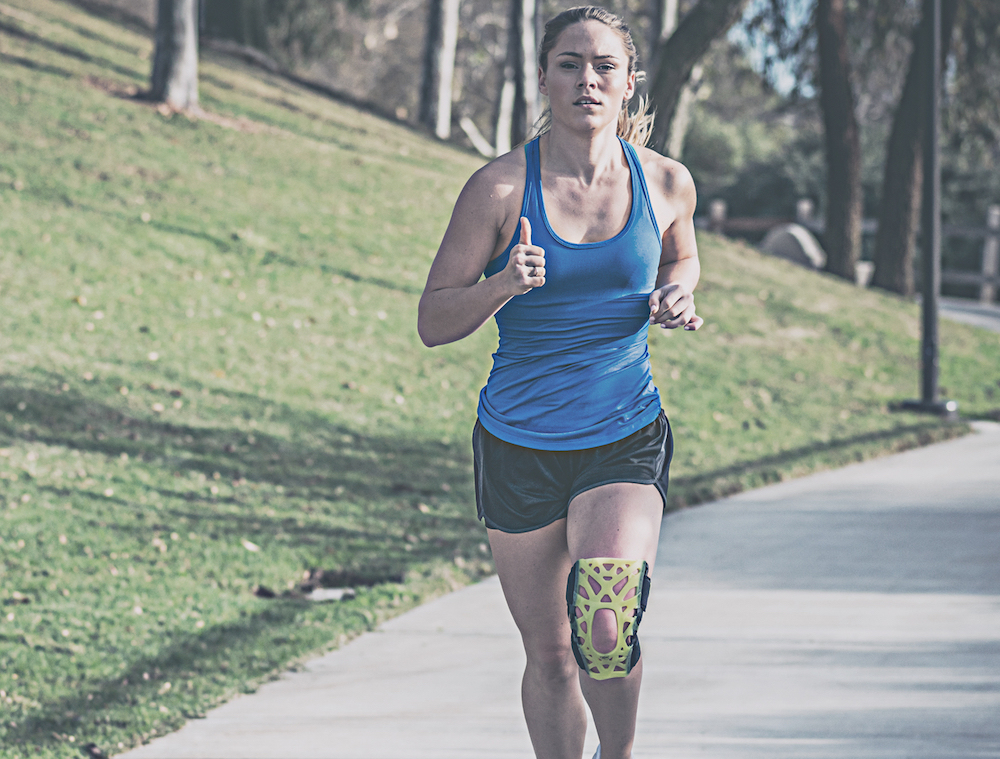
Chondromalacia of the patella, commonly known as Runner’s Knee, can definitely be a major pain - quite literally. It usually occurs as runners reach the 40 miles per week mark, and persists even after taking short breaks from running, which is why it tends to annoy the most dedicated of runners. Because running often works to develop the hamstring muscles faster than the quads, the power imbalance within the thigh can be enough to slide your kneecap out of its normal groove. Ouch. Runner’s knee can also occur as a result of overpronation or supination, which means turning your feet in or out too much while running.


Luckily, there are a few surefire ways to get your knees functioning better throughout your runs. Be sure to ice your knees immediately after running, for at least 15 minutes. Treat the pain with anti-inflammatory meds like ibuprofen or aspirin that will also help to relieve the swelling, and consult your doctor about possibly purchasing orthotics for your running shoes to balance out any foot problems.


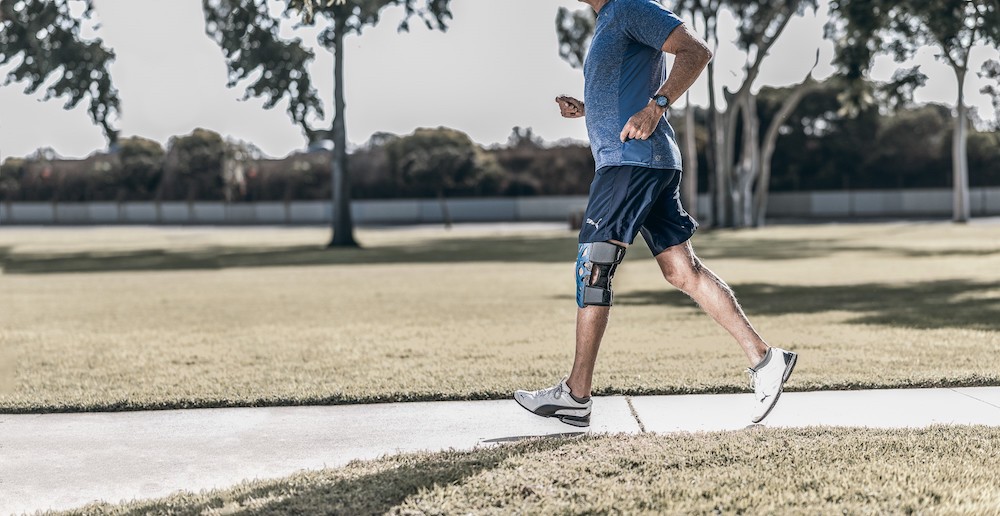
Another way to treat Runner’s Knee is to use a knee support brace while running, such as the DonJoy Cross Strap pictured above. These braces apply comfortable but effective pressure on the patellar tendon to help alleviate pain around the kneecap. Be sure to measure your knee before ordering to ensure that you receive a well-fitting brace that will work best for you. Using these simple methods, you can say goodbye Runner’s Knee, and get back to focusing on the marathon at hand.

Last Blog Entry: No Entries To Display. Click here to post your comments.
Submit to Digg | Submit to Del.icio.us | Submit to StumbleUpon | Subscribe Me
Knee Braces | DonJoy | Running & Walking |
Rehabilitation - How to get your shoulder back into shape

I've decided to start a series of posts on Rehabilitation. Much of what we do in sports medicine involves rehabilitation and trying to get people back on their feet or their previous level of activity. Injury can significantly debilitate a personal physically and psychologically and thus rehabilitation is the key to getting back into action.

Too many people think that after an injury the best solution is complete rest. While initial rest and activity modification is essential to break the cycle of injury and to allow the body to heal and recuperate, complete rest is not good. We are human beings that must be active. If we do not use our physical or mental gifts, we undoubtedly will lose them. This concept is essential to musculoskeletal care. For those of us that are young, a long period of inactivity will not slow us down that much. However, the older you are, the more likely that inactivity can send you down that downward spiral of decompensation.

For rehabilitation of the shoulder, it is essential to avoid the activity that exacerbated the shoulder in the first place. Most of the time, it is the rotator cuff tendon that is strained. Overhead activity such as tennis, throwing, or swimming will increase inflammation. Thus these activities should be minimized. In order to strengthen the rotator cuff muscle, the most commonly recommended set of exercises involves using theraband resisitance excercises.

For theraband exercises you need to get a send of resistance bands such as the DonJoy bands. You tie one end to a door handle or a post and then proceed to do exercises such as internal and external rotation of your arm with your elbows at your side. It is essential to consult a physician or a physical therapist for adequate instruction on the exercises. However, once you establish a routine of exercises, you build up your strength by increasing to the thicker and more resistant bands.

The theory behind band exercises is to strengthen the thin rotator cuff muscles. Overhead activity will still irritate the tendons, however, if the tendons are strong and thick from your exercises, they won't tear.

As usual, it is recommended that you properly warm up prior to exercises and that you apply ice therapy afterwards.

Last Blog Entry: No Entries To Display. Click here to post your comments.
Submit to Digg | Submit to Del.icio.us | Submit to StumbleUpon | Subscribe Me
Shoulder | Athletic Training Tips |
How Do I Protect My Child's Pitching Arm?

Repetitive overhead throwing can place signficant stress on the shoulder and elbow joint. Over time this stress can lead to changes in anatomy for the young throwing athlete. The little league pitcher is particularly susceptible to injury as these children often play in multiple leagues, are involved in other youth sports, and often have coaching staff that focus on performance rather than injury prevention.

The key to protecting your child's pitching arm is understanding the mechanics and the tremendous force placed on the shoulder and elbow joint. The throwing motion is actually a kinetic chain of events that channels force from the legs and trunk. The weakest link in this kinetic chain is the growth plate of the shoulder and elbow bones. In boys aged 8 to 15 years, studies have shown over half of these athletes with repetitive overhead throwing show changes in the growth plates of the shoulder. Thus, it is essential to prevent these changes and monitor for injury.

The most essential aspect of preventing shoulder injuries is to limit the number of pitches thrown. Most sports medicine physicians recommend using the USA Baseball Medical and Safety Advisory Committee guidelines for pitch counts. These guidelines have a complicated formula to determine how many pitches your child can throw based on the number of days of complete rest.

The general rule of thumb is this - after one day of rest your child can pitch double the number of pitches equal to his age. For each additional day of rest he can pitch an additional number equal to his age. For example, if your boy is 10 years old and has rested one day, he can pitch 20 pitches. If he has two days of rest he can pitch 30 pitches. Three days of rest 40 pitches. Four days of rest he can pitch 50 pitches. The maximum number of pitches is equal to four days of rest. So in order to protect a 10 year old's arm from injury he should never throw more than 50 pitches.

An additional rule of thumb is that no youth pitcher should pitch more than 2 games per week.

Last Blog Entry: No Entries To Display. Click here to post your comments.
Submit to Digg | Submit to Del.icio.us | Submit to StumbleUpon | Subscribe Me
Baseball & Softball | Shoulder |
Cryo Cuff - Your Knee Will Love You For It

For the avid ground athlete who often gets a swollen knee, there are relatively few treatments that will help. The first thing that should be done is your typical R-I-C-E regimen. Rest, Ice, Compression, Elevation. These are hard and fast rules for the knee that swells up from overactivity. When your knee swells up, doctors call this an "effusion". Basically your knee is getting angry inside and cannot handle the stress of your activity. In an effort to produce more lubrication into the joint, the knee elutes fluid into the joint. It's also a clear signal that you need to take a load off.

For the expert patient with chronic knee effusions, it can be a real hassle to pack ice in a bag and wrap it around your knee. It melts, it gets messy, and if you don't have an ice machine, it is a pain. Alternatively you can use a freeze gel pad. Some people don't like the gel because it doesn't stay cold long enough. If you really want to take good care of your knee, you should consider getting a Cryo Cuff. The Cryo Cuff is really the best thing since sliced bread came out. It's a cuff that you put around your knee and attach to a small tubing that is connected to an ice cooler. It keeps your knee cold for a long time.

The actual way the cooling system works is that there is a motor in the cooler that circulates fluid into the tubing and through the cuff. By circulating the water in the cooling system the water stays cold for longer and you don't need to get up every 20 or 30 minutes to get a new bag of ice. Many years ago the Cryo Cuff was prohibitively expensive for any regular person to buy. You typically only got to use on in the hospital or at a physical therapists office. Nowadays, prices are very reasonable. The Cryo Cuff is routinely used for people after total knee replacement surgery or ACL reconstruction. For the athletic patient who wants to get rid of knee swelling fast, the Cryo Cuff will do the trick.

If you love your knee, go out and get an Aircast Cyro Cuff.

Last Blog Entry: No Entries To Display. Click here to post your comments.
Submit to Digg | Submit to Del.icio.us | Submit to StumbleUpon | Subscribe Me
Knee Braces | Aircast |
What To Do If You Dislocate Your Shoulder

If you saw Dwayne Wade dislocate his shoulder earlier this basketball season you probably heard that collective "Ouch!" from everyone who saw the replay. So what happens if you dislocate your shoulder playing basketball or from some other sport?

The first thing you should do is seek medical attention. If there is an Orthopaedist on site, perhaps he may try and "reduce" or put back in place your shoulder. However, it is best to go to the local emergency department for pain medications and local anesthesia during the reduction. Most typically, "conscious sedation" is given. This is a combination of strong intravenous pain killers with a sedative that basically puts you to sleep very briefly. If a muscle relaxant is also given, it will make the reduction maneuver easier.

If you do dislocate your shoulder, it is important to get it put back in place as soon as possible. Within 6 to 8 hours is ideal because after that period the swelling becomes cumbersome and makes the reduction difficult. If your shoulder is not reducible in the emergency department it will need to be reduced under general anesthesia in the operating room. There are risks associated with general anasthesia so this is not the ideal way to get your shoulder reduced.

Once your shoulder is put back in place, you should keep it in an arm immobilizer or a "sling and swathe". Immobilizing the shoulder for a short duration of time is essential until you can be examined by a physician once the swelling has gone down.

There is some debate about whether a first-time dislocation should be treated conservatively or should be stabilized via shoulder surgery. Recent studies following patients over a 25-year period after their dislocation show that non-operative treatment of a shoulder dislocation in people under 40 years of age provides good long term results. If you are a high-performance athlete or older than 40, perhaps surgery will give you a better return to high function. Either way, it is important for you to seek immediate medical attention, wear an immobilizer after the dislocation, and have proper follow up after initial treatment.


Last Blog Entry: No Entries To Display. Click here to post your comments.
Submit to Digg | Submit to Del.icio.us | Submit to StumbleUpon | Subscribe Me
Shoulder |
Why You Should Own a Knee Immobilizer If You've Had a Total Hip Replacement

Much of the audience of this blog are individuals who are looking for ways to improve their health via bracing. Some people are visiting because they are trying to prevent an injury. Others are reading because they were injuried and are trying to recover or they had a surgical repair and they are in rehabilitation. One large segment of the population are those who are aging and needing total joint replacements. It is this segment of readers who should listen up to this post.

Total hip replacement is a procedure that is done more than 200,000 times per year with numbers increasing each year. One complication of a total hip replacement is dislocation. This typically occurs about 1 percent of the time and is highly dependent on two factors. First is the quality of the replacement. Second is the obedience of the patient in avoiding movements that put the hip at risk for dislocation. The quality of a total hip replacement is dependent upon the positioning of components and repair of the soft tissues around the hip joint. Malpositioning of the hardware and failure to repair the soft tissues put the patient at risk for dislocation.

The other main reason for hip dislocation is failure to adhere to hip precautions. Hip precautions are precautions that doctors give to their total hip replacement patients to prevent dislocation. The main precautions are to not bend the hip more than 80 degrees (such as sitting on a low chair or low toilet seat), to not slouch or cross your legs, and to minimize external rotation of the leg with a bent knee. Some patients adhere to these precautions for several months after their surgery. Then they become comfortable with their total joint and they start to become more active and put themselves at risk for dislocation. If this is not the scenario, then perhaps the patient tripped and fell and dislocated.

When a person dislocates, he or she needs to go to the local Emergency Department of a hospital. There they will put the hip back in place. They will also give the patient a knee immobilizer. Putting your knee in an immobilizer prevents bending of the knee which also makes it difficult to bend the hip, which significantly reduces the chance of dislocating. Thus, if you have a knee immobilizer already you can bring it with you to the hospital. If you dislocate at home and spontaneously pop back in, then you should put on your knee immobilizer until you see your doctor. Either way, you don't want to see how much your hospital charges you for a knee immobilizer. So if you have a total hip replacement in, it is a good idea to go out and get a basic knee immobilizer.

Last Blog Entry: No Entries To Display. Click here to post your comments.
Submit to Digg | Submit to Del.icio.us | Submit to StumbleUpon | Subscribe Me
Knee Braces |
Why Bracing Helps Osteoarthritis

Osteoarthritis is the natural wear and tear of the articular cartilage of joints. When we are born we have smooth gliding articulating cartilage at the knee joints. Over time, the surface wears down and the cartilage degenerates. Thus the main causes of osteoarthritis are genetic predisposition to arthritis, obesity, high-impact activity, and trauma. Genetics are an uncontrollable factor in our lives. Some people are more at risk for early arthritis than others no matter what they do. Being obese definitely places undue stresses on a joint. Studies have shown that every 1 pound of weight loss reduce the amount of forces transmitted through the knee joint by 4 times! Thus even a limited weight loss program could reduce that force to make a person asymptomatic.

High impact activities such as running on hard pavement increase the amount of wear on joints. Activity modification to lower impact sports such as bicycling or swimming or even reducing the number of miles jogged per week can improve symptoms. Trauma is another uncontrollable factor for osteoarthritis. If you have a trauma such as a car accident or a fall that affects the joints, the chances of post-traumatic arthritis down the road are increased. Cartilage is relatively avascular and after injury it repairs very poorly. Even a crack in the cartilage will heal with fibrous tissue called fibrocartilage that has no where near the smoothness and gliding capabilities as native articular cartilage.

When the cartilage degenerates significantly, the joint becomes incongruent. What this means is that one side of the knee joint does not exactly match the other side. The joint actually "subluxates" during movement which causes friction in the joint and slight dislocation of the joint. This subluxation exacerbates the inflammation in the knee. Thus bracing helps to stabilize the joint in proper alignment to prevent subluxation. If arthritis affects one side of the knee more than other, special braces can also help unload the affected side to relieve pressure on the knee.

Last Blog Entry: No Entries To Display. Click here to post your comments.
Submit to Digg | Submit to Del.icio.us | Submit to StumbleUpon | Subscribe Me
Eccentric Strengthening - The Key to Injury Prevention

Although most athletes at all levels of competition suffer injuries, the highest level athletes suffer injuries despite their elite level of training and performance. Two key muscles that are susceptible to injury are the hamstrings and the calf muscles including the Achilles tendon. These muscles are more susceptible to injury because they are paired with other groups of muscles on the other side of the leg, also known as antagonists.

In general, muscles shorten when they contract. This is called a concentric contraction. The best example is that of the biceps. When you lift a dumbell (or beer for that matter), your biceps contracts and shortens and bulges when it does this. However, there are some muscles in the body that can lengthen when they contract. The hamstrings and calf muscles are examples of this.

When an athlete lifts his leg up such as when he is doing hurdles or sprinting, each time he elevates the leg forward the hamstring is lengthening and it is also contracting. This is called an "eccentric" contraction. In the calf muscle, when you dorsiflex your foot (lift the toes toward your head) and you push off such as in running or going up stairs, the calf muscle is contracting and also lengthening at the same time. Thus eccentric contractions such as those put the muscle at risk for injury.

The key to injury prevention is eccentric strengthening. It is not enough to exercise and practice, it is essential to do strength training where muscles are susceptible to injury.

Some great exercises to strengthen the calf eccentrically is to do toe raising on a step. If this is too easy, add weight to your upper body. An alternative is to use a leg press machine with your heel off of the press platform with your toes on the platform in dorsiflexion.

Some great exercises to strengthen the hamstring eccentrically are to use a flat leg curl hamstring machine and to use a "drop and catch" exercise where you curl the hamstring and flex the knee, then as you start to lower the leg, let the weight fall and "catch" it near the bottom of the motion arc. This simulates an eccentric contaction. An alternative exercise is to do straight legged deadlifts lifting the barbell from the floor to a standing position. Using a similar "drop and catch" method you can catch the weight at the end arc of motion where the hamstrings are tight.

Some of the best athletes in the world do not know about eccentric strengthening. Learning how to strengthen muscles in this fashion will help prevent that season ending hamstring or calf injury.

Last Blog Entry: No Entries To Display. Click here to post your comments.
Submit to Digg | Submit to Del.icio.us | Submit to StumbleUpon | Subscribe Me
Athletic Training Tips | Fitness |
The best braces for MCL Injuries

For everyone that was watching the NFL playoffs during the AFC Championship between the San Diego Chargers and the New England Patriots, I am sure you heard a lot about Philip Rivers and LaDainian Tomlinson LT”s MCL injury (Medial Collateral Ligament). 

There was a lot of talk about how Rivers played and how LT didn’t play.  Quarterbacks vs. running back MCL injuries are quite different in the sense that each player requires different levels of stability to perform their specific task. 

The MCL is the main lateral stability ligament in the knee; it runs down the inside of your knee about 4 inches long and about 1 inch wide.  The MCL has to control rotation movements also but to a lesser extent.  A quarterback that is a drop back passer, like Philip Rivers that does not run around a lot can get away with a MCL injury because he does not need a lot of lateral stability to throw the ball, just rotational stability.  The Playmaker braceLast Blog Entry: No Entries To Display. Click here to post your comments.

Submit to Digg | Submit to Del.icio.us | Submit to StumbleUpon | Subscribe Me
DonJoy | Football | Professional Athletes | Who's Wearing DonJoy |
Ankle braces proven to prevent ankle sprains in volleyball players
Ankle braces can help protect collegiate female volleyball players from ankle sprains, a new study shows.

After University of Pennsylvania volleyball players were mandated to wear a ankle brace, just one ankle injury occurred in the course of seven seasons.

"From our data, it appears that the use of such a brace is an effective way to decrease the incidence of ankle injuries in this active but vulnerable group of athletes," conclude Dr. Brian J. Sennett of the University of Pennsylvania School of Medicine in Philadelphia and colleagues.

Ankle injuries are common among female volleyball players, accounting for up to 36% of all injuries in these athletes, Sennett and his team note in their report in the American Journal of Sports Medicine.

Penn players have been wearing Ankle Braces since 1998. To evaluate whether the braces had actually been effective, the researchers compared rates of ankle injuries at their university to data from the National Collegiate Athletic Association (NCAA) for female volleyball players.

There were 797 ankle injuries during 811,710 NCAA practices or games from 1988 to 2005, translating to an injury rate of 0.98 for every 1,000 exposures. For the Penn players, there was just a single ankle injury during 13,500 games or practices during those seven seasons, for an injury rate of 0.07 per 1,000 exposures.

Nearly half of the 132 Penn players in the study had suffered ankle injuries before starting to play college volleyball, Sennett and his team note.

"Although our data are statistically significant and may change current thinking about orthosis use in these elite athletes, further investigation is warranted," they write. This research could include comparison of the effectiveness of various types of ankle braces, the researchers add, as well as how they affect performance.

SOURCE: American Journal of Sports Medicine, February 2008.

Last Blog Entry: No Entries To Display. Click here to post your comments.
Submit to Digg | Submit to Del.icio.us | Submit to StumbleUpon | Subscribe Me
Ankle Braces | Volleyball |
New Knee Brace can power your cell phone - works like a hybrid car.

Thought we'd seen everything until now.  A knee brace that generates enough electricity to power 10 cellphones has recently been developed  by scientists recently. The brace collects the energy of a person's knee braking after taking a step, similar to the way a hybrid car brakes collect energy to charge their batteries. The device only weighs 3.5 pounds, and does not need the intense effort that other human-powered energy generators such as hand cranks require. And while the cellphone measurement given by the creators is pretty useless, they do have several practical applications in mind.

Scientists suggest that the brace could be used by campers and soldiers to power GPS locators and satellite phones in areas with limited access to electricity. It could also charge prosthetic knees, eliminating the need for periodic surgery to replace the batteries in the joint.

The current version of the knee brace is just a proof-of-concept; the team plans to make the device less bulky while still retaining its energy harvesting capabilities. We think this is a great idea with lots of potential (even if it was created in part by a University of Michigan professor). Hopefully we can get a working model before CES next year so we'll never need to worry about our laptop running out of juice.

Aside from pain relief and protection from injury knee braces provide this is another way those who wear knee braces can have a leg up on their non-brace counterparts.

Last Blog Entry: No Entries To Display. Click here to post your comments.
Submit to Digg | Submit to Del.icio.us | Submit to StumbleUpon | Subscribe Me
Knee Braces |
I Just Sprained My Ankle! What Do I Do Next?

Nonsurgical treatment options depend on whether your problem is an ankle sprain or ankle instability.

Ankle Sprain
The best results after an ankle sprain come when treatment is started right away. Treatments are used to stop the swelling, ease pain, and protect how much weight is placed on the injured ankle. A simple way to remember these treatments is by the letters in the word RICE. These stand for rest, ice, compression, and elevation.

  • Rest: The injured tissues in the ankle need time to heal. Crutches will prevent too much weight from being placed on the ankle.
  • Ice: Applying ice or cold packs can help ease pain and may reduce swelling.
  • Compression: Gentle compression pushes extra swelling away from the ankle. This is usually accomplished by using an elastic wrap or ankle support.
  • Elevation: Supporting your ankle above the level of your heart helps control swelling.

Mild pain relievers help with the discomfort. Anti-inflammatory medications can help ease pain and swelling and get people back to activity sooner after an ankle sprain. These medications include common over-the-counter drugs such as ibuprofen.

As treatment progresses, it is helpful to gradually begin putting weight through the joint. Casts have fallen out of favor because soft tissues weaken when they are kept immobile. But ankle braces that can be worn to support the ankle, but still allow weight bearing, are the most popular treatment for helping reduce strain on the healing tissues.


Healing of the ligaments usually takes about six weeks, but swelling may be present for several months. Your doctor may suggest that you work with a physical therapist to help you regain full range of ankle motion, improve balance, and maximize strength.

Last Blog Entry: No Entries To Display. Click here to post your comments.
Submit to Digg | Submit to Del.icio.us | Submit to StumbleUpon | Subscribe Me
Ankle Braces |
Super Bowl Bound Tom Brady wears Aircast Walking Boot
Tom Brady's right foot was wrapped in an Aircast Walking Boot  and under wraps yesterday in New York, but he promises he'll be in full uniform for the Super Bowl.   The foot injury was unidentified.
 
The gossip website TMZ.com posted a 1-minute-18-second video clip featuring Brady and his supermodel girlfriend Gisele Bundchen in New York. On the video, a hooded Brady, who is seen carrying a duffel bag and flowers, is noticeably favoring his right foot.

Brady appeared to be limping Sunday as he left his news conference following the Patriots' 21-12 victory over the San Diego Chargers in the AFC Championship game.

Yesterday, Brady did not directly answer a question about being hurt during his regular appearance on WEEI's "Dennis and Callahan" show. When he was asked about having his leg looked at on the sideline early in the fourth quarter, he replied:

"There are always kind of bumps and bruises. I'll be ready for the Super Bowl. I'm not missing this one. I'd have to be on a stretcher to miss this one. There will just be some treatment this week and, like I said, games like this you get a little nicked up, but it's nothing serious."

Brady was sacked twice Sunday and appeared to be slightly hobbled after Igor Olshansky and Stephen Cooper tackled him for an 8-yard loss on the final drive of the game.

An injury might explain Brady's subpar - by his MVP standards - performance against the Chargers. He was 22 of 32 for 209 yards and two touchdowns, but was intercepted three times, including once in the end zone by Antonio Cromartie late in the third quarter, Brady's first red zone pick in two seasons.

Tom Brady's right foot was under wraps yesterday in New York, but he promises he'll be in full uniform for the Super Bowl. 
Tom Brady: Click to watch
Tom Brady's right foot was under wraps yesterday in an Aircast Walking Boot  in New York, but he promises he'll be in full uniform for the Super Bowl.


Last Blog Entry: No Entries To Display. Click here to post your comments.
Submit to Digg | Submit to Del.icio.us | Submit to StumbleUpon | Subscribe Me
Aircast | Foot | Who's Wearing DonJoy |
Helpful Knee Injury Information Website

One of our favorite informative websites is www.kneeguru.co.uk. Knee Guru has compiled quite a nice database of information pertaining to a variety of knee pain and injury issues.

Some of topics covered by this site include:

General Knee Info

Knee Anatomy

Understanding Knee Arthritis

Dictionary of Knee Issues

Clinical Casebook

In-depth Insights

We highly recommend this site and thank the Knee Guru for compling all this helpful and informative information.


Last Blog Entry: No Entries To Display. Click here to post your comments.
Submit to Digg | Submit to Del.icio.us | Submit to StumbleUpon | Subscribe Me
Knee Braces |
The Trials and Tribulations of Heel Pain: The Pros and Cons of Your Treatment Options

It’s easy to find the cause of heel pain. In many cases, our behavior makes it easy to diagnose, whether it stems from the exercise routines we do, or perhaps the repetitive lifting we do on the job. Regardless of what type of activity leads to heel pain, when it comes down to it, the cause is overuse.


With most occurrences of heel pain, symptoms can be helped by an array of treatments, ranging from simple exercises to surgical procedures. The variety gives heel pain sufferers some choices in how they would like to approach treatment, but some treatments certainly would be better than others depending on the severity of symptoms.


At Home Treatments


For mild pain that comes from the initial onset of a case of plantar fasciitis, treatment can begin at home. Keeping the plantar fascia ligament stretched is important to counteract any strain on the tissue. If the plantar fascia stays stretched and “warmed up,” the less risk there is for tearing the fibrous tissue.


One of the easiest ways to keep the fascia stretched is to take a wide belt and place its center under the ball of the foot.  Keeping your knees straight, pull the belt upwards until the tissue along the bottom of the foot feels taut, and hold the this position for about ten seconds, then relax the foot and repeat. In addition, you might also want to take a tennis ball and roll it up and down the length of the foot. Rolling a tennis ball can be done at home, or even at the office, helping to keep and fascia stretched and loose throughout the day. It is especially important to do these exercises in the morning, as the fascia is particularly tight when we first get out of bed in the morning, and it also happens to be the time of day when pain can be at its worst.


The value of these simple, easy home treatments is that heel pain sufferers can help curb heel pain before it gets worse, and it helps minimize the risk of needing more severe or cumbersome forms of treatment.


Conservative Treatments That Keep You Moving


Last Blog Entry: No Entries To Display. Click here to post your comments.
Submit to Digg | Submit to Del.icio.us | Submit to StumbleUpon | Subscribe Me
Foot |
Tips to make sure your knee brace fits correctly


How do you know if your knee brace fits correctly?

This is not a difficult answer.  Off the shelf or ready-made knee braces are made for a general population no matter what body part is injured.  Braces can help treat many different problems or help support a healthy body part to prevent injury.  However the brace cannot do its job unless it fits correctly, meaning it doesn’t fall off or move around.

Here are a few tips to make sure you have your brace on correctly.

 1)    The knee brace should fit comfortable, but snug.  You should be able to move in the allowable range of motion – meaning most knee braces allow some motion but restrict other motion.  The motion restricted is usually to support the injured body part (tendon, ligament, muscle, bone etc.)

2)    Be sure to follow the directions on how to strap on the straps. (Betterbraces.com offers online directions on each product.) There is usually a fairly logical sequence to follow.  The straps should not cut off circulation or be too loose that they don’t stay in place.

3)    Have an expert check the knee brace if your still not sure.  This is the best way to insure the knee brace is working properly.  The last thing you want is to wear a knee brace that isn’t working right and you end up hurting yourself.

Last Blog Entry: No Entries To Display. Click here to post your comments.
Submit to Digg | Submit to Del.icio.us | Submit to StumbleUpon | Subscribe Me
Ankle Braces | Knee Braces | Aircast | DonJoy | Football | Professional Athletes | Who's Wearing DonJoy |
2008 New Year’s Resolution - Get in Shape


Now that the New Year is upon us we all make New Year’s resolutions, and the number one resolution on everyone’s list is to “get in shape”. Hear are a few tips to help you stay injury free while you try to get in shape this year.


1)    Start slow.  Don’t over do it in your first couple of workouts.  You didn’t get out of shape in one day, and your body is not going to get back into shape in one day either.  Your body needs time adjust to your new work out regimen.  Also you don’t want to mentally burn out.

2)    Know your going to be sore.  Your body will be going though some changes during your process of changing your fitness level.  This is natural and don’t get discouraged and think it is always going to be like this after each work out.  Be expecting the soreness for about the first month of your new program.

3)    Make obtainable goals.  Remember your body needs time to make adjustments.   So first start with a 2 mile run at a comfortable pace, instead of saying I want to run a marathon under 4 hours in one month.

4)    Be sure to warm up before your activities.   A brisk walk or some simple calisthenics will do this for you.  You should warm up for about 5 minutes before heading into your workout or activity.

5)    Be sure to stretch.  Keeping your muscles limber will help reduce your chances of injury.  When you stretch make sure you are stretching your muscles that you plan on using during your activity.

6)    If you do start to feel some muscle or tendon aches. Here are a few simple remedies.

a.     Use cold therapy after exercise to reduce pain and swelling

Last Blog Entry: No Entries To Display. Click here to post your comments.
Submit to Digg | Submit to Del.icio.us | Submit to StumbleUpon | Subscribe Me
DonJoy | Running & Walking | Athletic Training Tips |
Knee Braces Help Painful Knee Osteoarthritis

Knee braces are another way to provide stability, support, and pain relief for patients with knee osteoarthritis. It has been estimated that about 10 million Americans have been diagnosed with knee osteoarthritis. Other common treatment options include:

  • Medications (such as nonsteroidal anti-inflammatory drugs (NSAIDs) and corticosteroids)
  • Lifestyle modifications (including weight loss and strengthening exercises)
  • Joint protection techniques
  • Assistive devices
  • Joint surgery is considered a last resort treatment option

Patients should consider trying a knee brace to see if there is noticeable benefit.The knee brace would be a complementary treatment, to go along with any other treatments being used.

The Appropriate Knee Brace for You

There are different kinds of knee braces and it's important for your doctor or a health professional to help decide which knee brace might be appropriate for you. Three knee components to consider are:

Usually knee braces are recommended for patients who have cartilage loss in one component of the knee, also known as unicompartmental knee damage. Osteoarthritis most commonly develops in the medial component.

Types of Knee Braces

Single-piece sleeves made of neoprene, an elastic-rubbery material, are the most simple knee braces. The knee brace is pulled on over the foot of the affected leg and is placed over the knee where it provides compression, warmth, and support. This type of knee brace is for mild to moderate osteoarthritis and it is available over the counter in most drug stores. The fit should be snug.

An unloader brace is a semi-rigid knee brace made from molded plastic and foam. Steel struts inserted on the sides limit lateral knee movement and add stability. This brace is custom-fit to each individual patient for whom it is prescribed (usually patients with medial component osteoarthritis). Essentially, it relieves pain by transferring pressure from the inside to the outside part of the knee.

The unloader knee brace can also be designed for patients with cartilage damage in the lateral component of the knee, as well as patients with severe osteoarthritis of the knee who are looking for temporary pain relief while they wait to have knee replacement surgery. .

We suggest that patients allow a week to one month to adjust to how the unloader brace feels. Right from the start, don't expect comfort. It takes a little time. Take it off from time to time so you can exercise and strengthen muscles. It's also important to remember that a knee brace is just one part of a patient's treatment regimen. Don't disregard other aspects of your treatment regimen without first talking to your

Last Blog Entry: knee braces (8/25/2008 9:43:26 PM)
Submit to Digg | Submit to Del.icio.us | Submit to StumbleUpon | Subscribe Me
Knee Braces | DonJoy |
How much knee brace is enough for protection?

How much knee brace do you need?  This video shows an example of someone who probably should have been wearing a more rigid knee brace, but thankfully she was at least wearing a semi-rigid brace  that probably saved her.

At first it looks like the knee brace totally failed, but at the end she is seen walking off without much pain so it must have helped.


Last Blog Entry: No Entries To Display. Click here to post your comments.
Submit to Digg | Submit to Del.icio.us | Submit to StumbleUpon | Subscribe Me
Knee Braces |
Choosing The Right Knee Brace

Knee Braces, Knee Braces, Knee Braces.  Lot's of choices.  Which one is right for your knee injury?

There are many choices when in comes to knee braces.  Your decision should be based on what type of injury you've had or your are trying to prevent.  You also may need to factor in your activity.  A brace for walking around the block can be a lot different than what Peyton Manning (he wears the DonJoy Defiance ) needs for his knee during the Super Bowl. 

Here is a look at the different choices based on the levels of knee sprains.  We'll address some other factors in the coming days and weeks.

First Degree Sprains can usually be self addressed by using cold therapy/ice packs, bracing and light exercises to improve the strength of the hamstring and quadriceps muscles. Braces for a First Degree Sprain will provide only mild support and are not usually sufficient to provide protection to joints where ligament injury has occurred or is a risk. These are usually used for mild support, warmth and compression.